1.Arts-based Poetic Inquiry
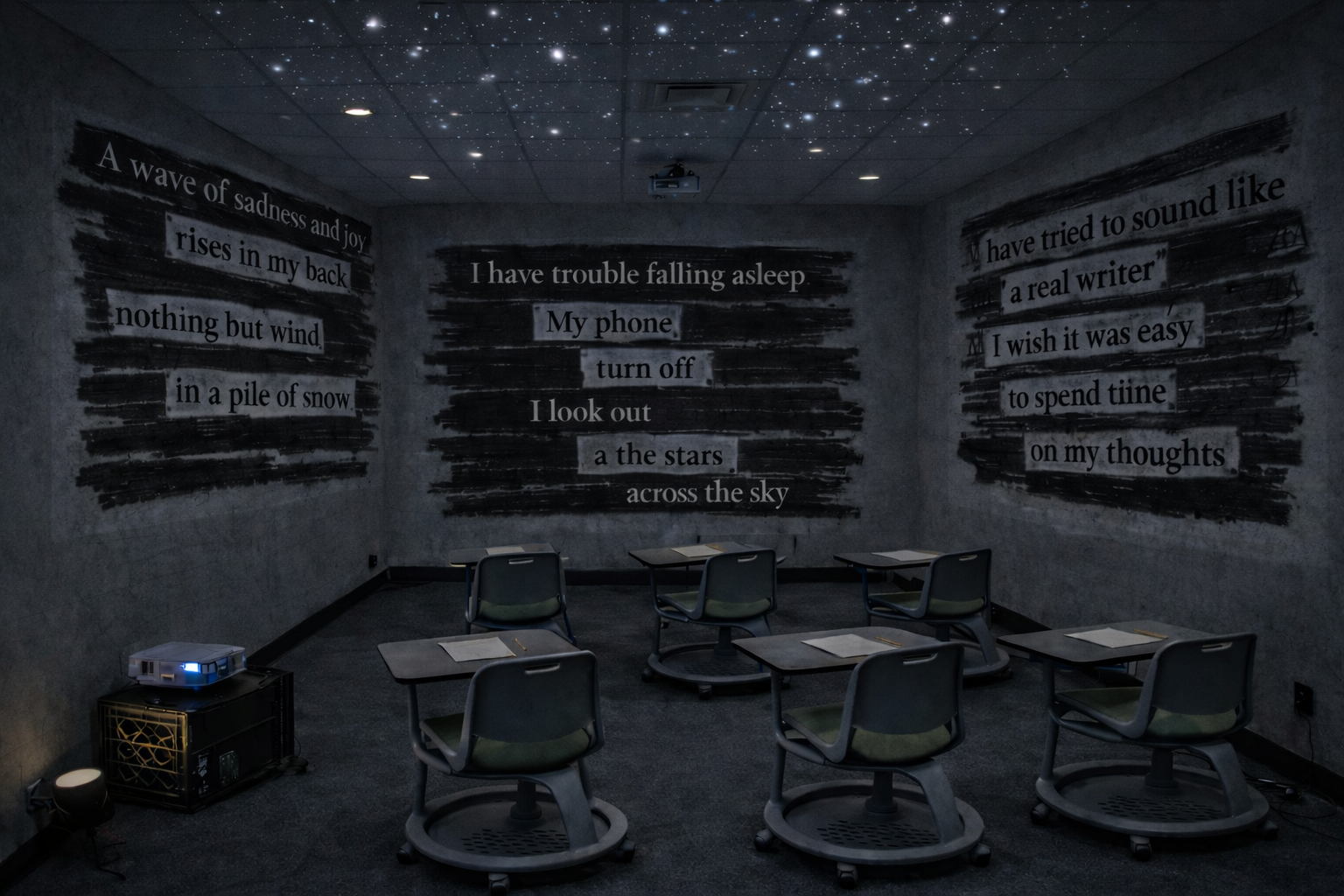
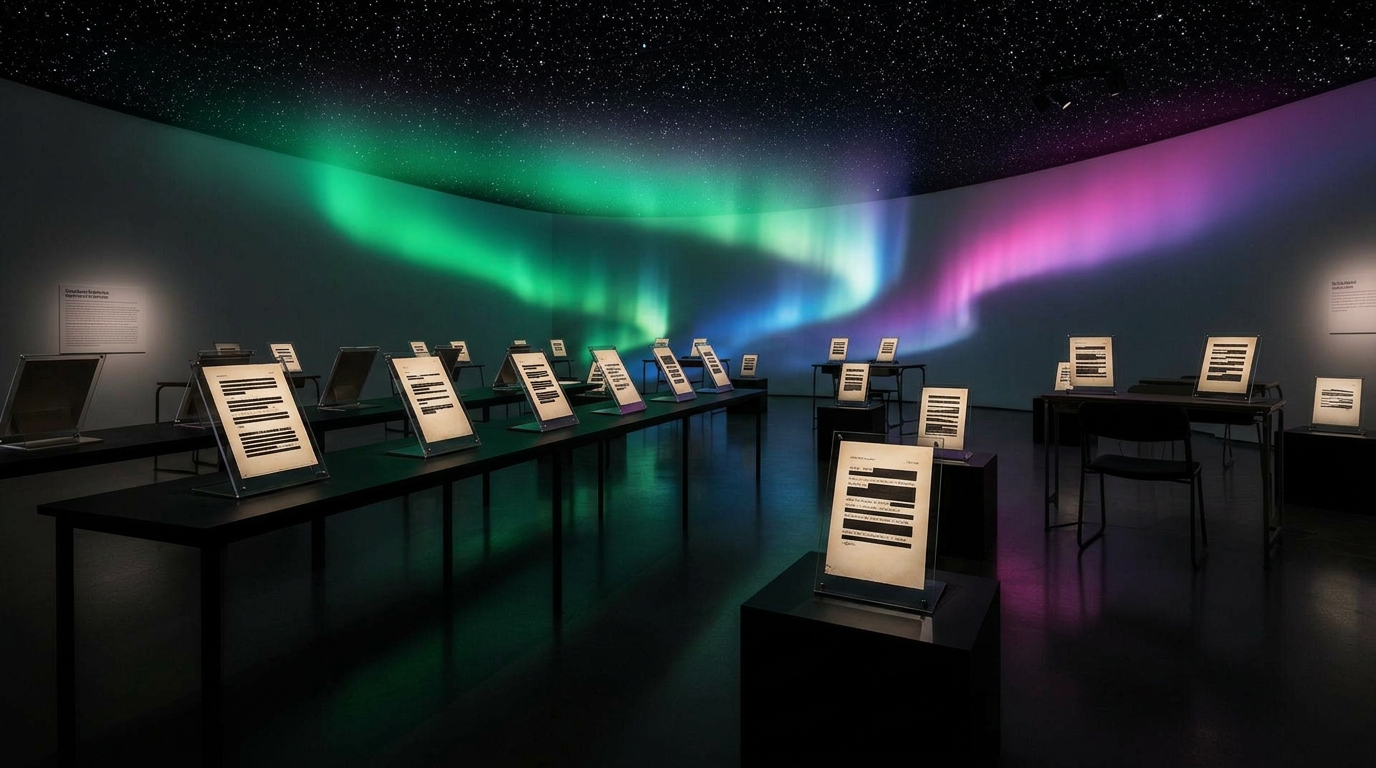
On Land, In Absence: An Immersive Erasure Poetry Installation
Thisis an arts-based research and knowledge mobilization project that emerged from a University Canada West Innovation in Teaching grant funded by the Federation for the Humanities and Social Sciences. Developed through collaborative workshops with international undergraduate students, the installation invites reflection on land, belonging, colonial histories, and relational responsibility through student-created erasure poetry. The immersive exhibition extends these conversations beyond the classroom, creating a space for dialogue, contemplation, and learning with Indigenous-authored texts approached through care, humility, and accountability. The installation will be available for internal viewing at University Canada West, with an external public viewing to follow—stay tuned for upcoming dates and details.
2.What Remains Unsaid: Apophatic Erasure in Academic Life and Luminous Edge of Absence
This is an arts-based research project that uses erasure poetry to explore how shifting immigration policies, international student caps, visa restrictions, and institutional changes are reshaping academic life in Canada. Drawing on apophatic philosophy and posthuman thought, the project examines absence not as emptiness, but as a space that reveals what becomes invisible, displaced, or difficult to articulate within higher education. Created from news articles, policy documents, and institutional communications, the poems illuminate experiences of precarity, loss, belonging, and relational becoming. More information about the project is available through this link: https://apophatic.art/dr-gitanjaly-chhabra-and-dr-kathleen-(kaye)-hare
3.Pedagogical Praxis
Erasure Poetry as Pedagogical Praxis: Exploring De/colonization with International Students in Canada --Explore: Innovation in Teaching (2024)
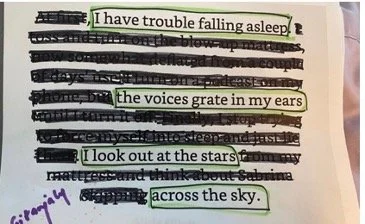
This project invites international students to reflect on their roles in decolonization and in ongoing efforts towards reconciliation and rebuilding relationships with Indigenous peoples in Canada. Drawing on works by Indigenous authors, students craft erasure poems that encourage deeper awareness of respect, attentive listening, and relational engagement. Through this creative practice, participants examine what it means to make, modify, and share responsibly while living and learning on Indigenous territories.
Grant: EDID Initiative Fund (Federation for the Social Sciences and Humanities) and UCW Discovery Innovation in Teaching Grant
4 .Part of the mini group Critical Posthumanism and Decoloniality in Higher Education under Collaborative SoTL Literature Review groups.
This project investigates how critical posthumanism and decolonial perspectives can reshape academic development and student learning within Higher Education. Adopting a creative, diffractive approach inspired by Rosi Braidotti’s cartographic method, it maps evolving scholarship beyond traditional review frameworks.